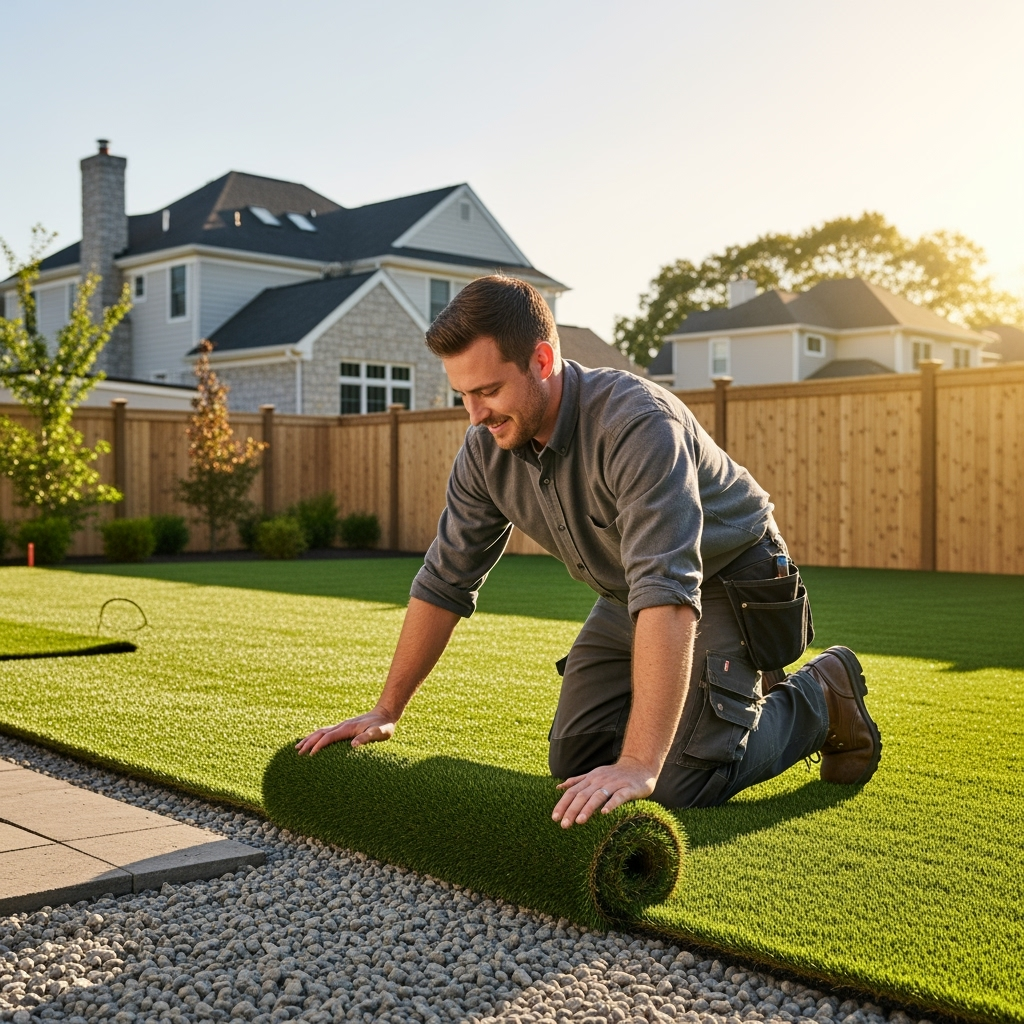
When I help clients think about a yard refresh, the question I hear most is about New Jersey artificial lawn installers—who to trust, what to expect, and whether turf is worth it. Across the state homeowners are also asking how artificial turf helps with water use and drought resilience; for background on national water trends and conservation priorities, I often point readers to the EPA homepage for clear guidance and national context (https://www.epa.gov).
Why homeowners in New Jersey are choosing artificial turf
Living in New Jersey means seasons: hot, humid summers and cold winters with occasional snow. Homeowners in towns from Princeton to Jersey City are moving toward synthetic lawns because they want a green, usable yard year-round without the hassle of constant watering, mowing, and reseeding. I’ve seen families choose turf for busy lifestyles, pet owners prefer it for easy cleanup, and small-business owners install turf at storefronts for a polished curb appeal that stays consistent.
What professional installers bring to the table
Good installers aren’t just laborers with a bag of infill; they’re landscape designers, problem solvers, and project managers. When I visit job sites, the best teams handle drainage, grading, base preparation, and edge details. They understand local soil conditions in Middlesex County, Bergen County, and other parts of the state, and they plan for runoff, freeze-thaw cycles, and root barriers where needed. That level of detail separates a temporary fix from a long-lasting lawn solution.
Materials and types of artificial grass
Not all turf is the same. Choices include nylon, polyethylene, and polypropylene fibers, each with a distinct feel and durability. You’ll also see differences in pile height, blade shape, color mix, and infill options like sand or rubber. I guide clients toward options that match use cases: low-pile and dense turf for sports and heavy traffic, softer, taller blades for front-yard aesthetics, and antimicrobial or pet-friendly layers for households with animals. The right material makes a huge difference in comfort and longevity.
The installation process, step by step
Installation typically follows a predictable path, but pros adapt for site specifics. Here’s the general workflow I recommend tracking with any installer so you understand progress and quality control:
- Site evaluation and mark-out for grading and drainage.
- Excavation to remove existing turf and create a stable base.
- Base layer installation using crushed stone, compacted to prevent settling.
- Weed barrier, turf placement, seam bonding, and infill application.
Skimping on the base or compaction is the most common shortcut that causes problems later. A professional will compact the base in layers and allow for proper perimeter anchoring to prevent shifting during freeze-thaw cycles.
How to pick the right New Jersey artificial lawn installers
I take a practical approach when vetting teams. A great installer will answer questions directly, show past projects in neighborhoods nearby, and explain warranty coverage and maintenance expectations. Here are the questions I tell homeowners to ask during the estimate phase:
- Can you show recent local installations and references?
- What base materials and compaction methods do you use?
- How do you handle drainage and heavy rainfall?
- What does your warranty cover, and for how long?
Also look for written proposals with a clear scope, timelines, and a breakdown of materials versus labor. If an installer avoids written details or gives a vague warranty, that’s a red flag. Insist on proof of liability insurance and, if relevant, worker coverage for the crew on site.
Cost, value, and local savings
Upfront costs for a professionally installed artificial lawn vary by material, yard size, site prep needs, and accessibility of the area. In New Jersey, where labor and permit requirements can affect prices, I’ve seen projects range from modest to premium. But it helps to think in terms of lifecycle costs. Turf reduces or eliminates mowing, saves water (a growing concern here), and can cut ongoing maintenance bills. Many homeowners recoup a portion of their investment through reduced utility and service costs over 5–10 years, plus the intangible value of a consistently attractive yard.
Maintenance, pets, and seasonal care
Artificial turf isn’t zero-maintenance, but it’s usually far easier than natural grass. I tell clients to plan routine sweeping or raking to keep blades upright, occasional rinses to remove dust, and a plan for pet waste removal. For pet owners I recommend turf systems with drainage and antimicrobial backing to control odors. Winter care is simple: remove snow with a plastic shovel or snow blower on a low setting; avoid salt and rock salt, which can damage the turf infill.
Local trends driving turf installs
Two trends I see accelerating in New Jersey are water conservation and outdoor living upgrades. With municipalities encouraging reduced outdoor water use during dry spells, many homeowners are switching to turf for low-water landscapes. At the same time, people are investing more in their yards—outdoor kitchens, play areas, and low-maintenance entertaining spaces—where artificial grass offers a tidy, reliable surface.
Another trend is hybrid landscapes: mixing natural planting beds with turf pathways and play zones to get the best of both worlds—ecological benefits from native plants and the hard-wearing lawns where you need them.
Common problems and how professional installers solve them
Some issues homeowners encounter include poor drainage, seams that show, premature matting, and hot surface temperatures in summer. Experienced installers plan for these problems from the start. For drainage, they grade the base and install subsurface drains if necessary. To minimize visible seams, they stagger turf rolls and use industry-standard seam tape and adhesives. For heat, certain turf fibers and infill blends are designed to reflect more sunlight and stay cooler underfoot; shading and irrigation of surrounding plantings also help moderate temperature.
Practical tips for a successful turf project
Based on hundreds of projects, here are steps you can take to ensure a smooth installation and durable outcome:
- Prepare the site: clear the area of debris, old lawn, and large roots before work begins.
- Communicate clearly: agree on start and completion dates and get them in writing.
- Verify drainage: ask the contractor to show how runoff will be handled during heavy rain.
- Plan for access: if heavy equipment is required, confirm how it will reach the yard without damaging driveways or sidewalks.
These straightforward actions save time and money during installation and reduce the chance of callbacks later.
Questions about permits, HOA rules, and neighborhood aesthetics
Some towns and homeowners associations have rules about front-yard appearance, so I always recommend checking local regulations before committing. Where aesthetic guidelines exist, installers sometimes offer custom turf blends and edge treatments that match neighborhood character. If you’re in a historic district or a part of the city with strict design codes, ask for a mock-up or visual sample to show your HOA or local permitting office.
How turf fits into sustainable landscaping
Artificial turf is a sustainable choice in certain contexts. It reduces potable water use for irrigation, cuts fuel emissions tied to lawn mowing, and eliminates the routine use of fertilizers and pesticides. On the other hand, it’s a manufactured product with embodied energy and eventual disposal considerations. I recommend balancing turf with native plantings and permeable stormwater features to preserve local ecology and support pollinators. This blended approach keeps costs and environmental impacts lower while achieving the low-maintenance lawn many homeowners want.
Final thoughts and next steps
If you’re thinking about switching to artificial turf in New Jersey, start with an on-site evaluation. Ask installers for references in nearby towns, get a clear written scope of work, and compare materials rather than just prices. Pay attention to drainage, base compaction, and warranty coverage—it’s those details that determine whether the lawn lasts a decade or longer.
Ready to see how a professionally installed synthetic lawn can transform your yard? Creative Design and Maintenance in NJ can help you evaluate the site, pick the right turf, and install a durable, attractive lawn designed for our local climate.